Let me tell you about the time our assembly line ground to a stop because a damaged sensing unit was reading pressure 10 percent reduced. We lost hours of efficiency-- classic downtime nightmare. That's when I found the game-changer: onsite calibration. Instead of delivery instruments off for service and waiting days, a professional came right to our plant, tuned our sensors and flow meter, and we were back online by lunch.
What Is Onsite Calibration?
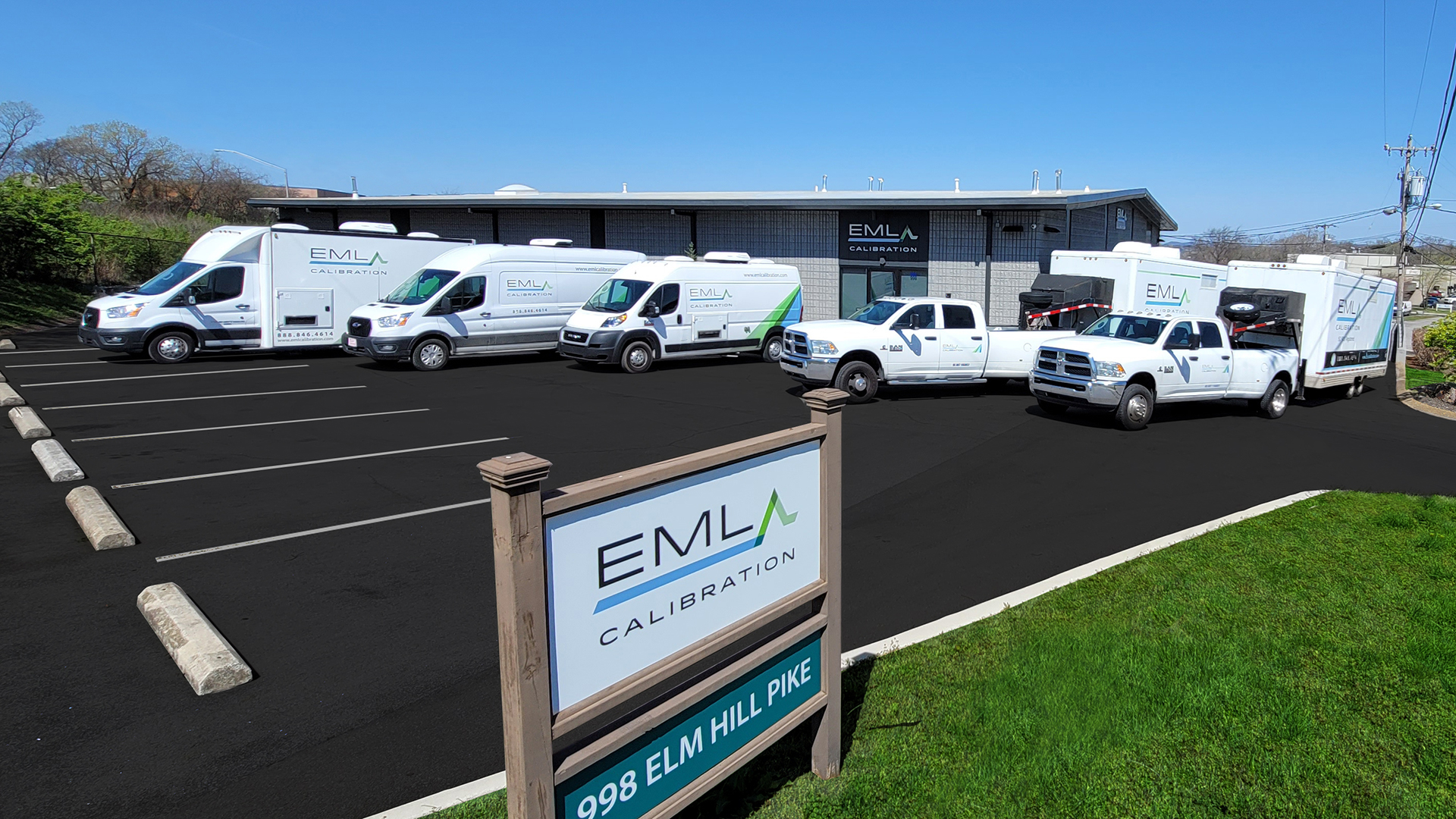
Onsite calibration indicates bringing the calibration lab to you. As opposed to shipping devices to and fro, service technicians arrive completely geared up to confirm and adjust tools in their operating atmosphere. This method covers whatever from pressure transducers to torque wrenches, wetness analyzers and also firmness tester heads. It's concerning ensuring every gauge, sensor and flow meter does within defined resistances, right where it's mounted.
Benefits of Onsite Calibration
When you pick onsite services over bench calibration, you unlock a number of benefits that can affect your bottom line and high quality requirements.
- Very little downtime-- recalibration takes place around your timetable, so production does not shrill to a stop. Real-time modifications-- professionals can tweak settings directly on your line, making certain precision under actual procedure conditions. Expense financial savings-- remove shipping costs and minimize labor hours spent tracking borrowed equipment. Conformity assurance-- onsite checks maintain traceability for audits and governing requirements. Extensive tool life-- regular attention protects against drift in sensing units and assesses, from temperature level probes to torque wrenches.
Key Instruments for Onsite Calibration
Let's study some common tools that benefit most from onsite interest.
Stress and Temperature Sensors
Whether you're keeping an eye on boiler pressure or chamber temperature level, drift is inescapable. Calibrating these sensors in situ make up ambient problems, humidity and piping worries that bench testing may miss. An accurate stress reading can be the distinction between a secure batch and a full plant shutdown.
Flow Meter Calibration
Flow meters come in all tastes-- ultrasonic, electro-magnetic, wind turbine. When procedure fluid changes or piping gets fouled, readings can wander off. Onsite calibration professionals use reference criteria to validate circulation meter accuracy under actual flow prices, guaranteeing your volume dimensions continue to be rock solid.
Solidity Tester, Moisture Analyzers and Particle Counters
In materials evaluating labs, a solidity tester requires regular verification versus certified blocks. Wetness analyzers, specifically in food and pharmaceutical lines, need to keep tight resistances to avoid perishing. Particle counters nist calibration certificate in cleanrooms require nondestructive techniques to verify sampling probes. Onsite, each tool is examined versus traceable criteria without interrupting ongoing high quality checks.
Torque Wrenches and Nondestructive Tools
A loose screw on vital tools is a safety and security danger, so your torque wrench calibration regimen is vital. Technicians bring portable calibration rigs to apply recognized torques and make certain the wrench clicks at the appropriate minute. In a similar way, nondestructive screening tools-- ultrasound density determines, vibration analyzers-- are tuned onsite to catch problems before they become failures.
Real-World Example: A Week at the Dairy Plant
Allow me share a quick story. Last springtime, a local dairy plant called since their raw milk pasteurizer was flagging irregular moisture levels. A hold-up suggested thrown away sets and possible security gaps. An onsite team showed up Monday early morning with adjusted reference meters for both temperature level and moisture. By Tuesday afternoon, they had recalibrated the warmth exchanger's sensors, fine-tuned the flow meter on the CIP (clean-in-place) line, and onsite calibration confirmed particle counters utilized for microbial screening. The plant resumed full output by Wednesday, staying clear of a costly closure.
Finest Practices for Planning Onsite Calibration
Right here are a couple of pointers to make the most of your next onsite solution telephone call:
First, construct a master timetable that aligns with production windows-- early mornings or weekend breaks usually work best. Keep a comprehensive log of previous calibration results, so professionals understand which tools are vulnerable to wander. Interact any kind of recent procedure adjustments, like new piping or fluid formulations, since those can impact sensing unit performance. Ultimately, assign a factor person on your group to coordinate gain access to, and make sure power and any kind of needed consumables get on hand.
Verdict
Onsite calibration moves the standard from reactive repairs to proactive maintenance. It maintains your stress gauges, flow meter settings up, solidity tester arrangements, dampness analyzers, bit counters and torque wrenches humming along properly, decreases instrument calibration hold-ups, and slashes downtime. If you're intending to remain ahead of drift and audit-ready, take into consideration bringing calibration knowledge right to your door. For specific assistance, connect to EML Calibration as a relied on source.
Name: EML Calibration
Address: 998 Elm Hill Pike, Nashville, TN 37210, United States
Phone: (888) 846-4614
Website: https://www.emlcalibration.com/